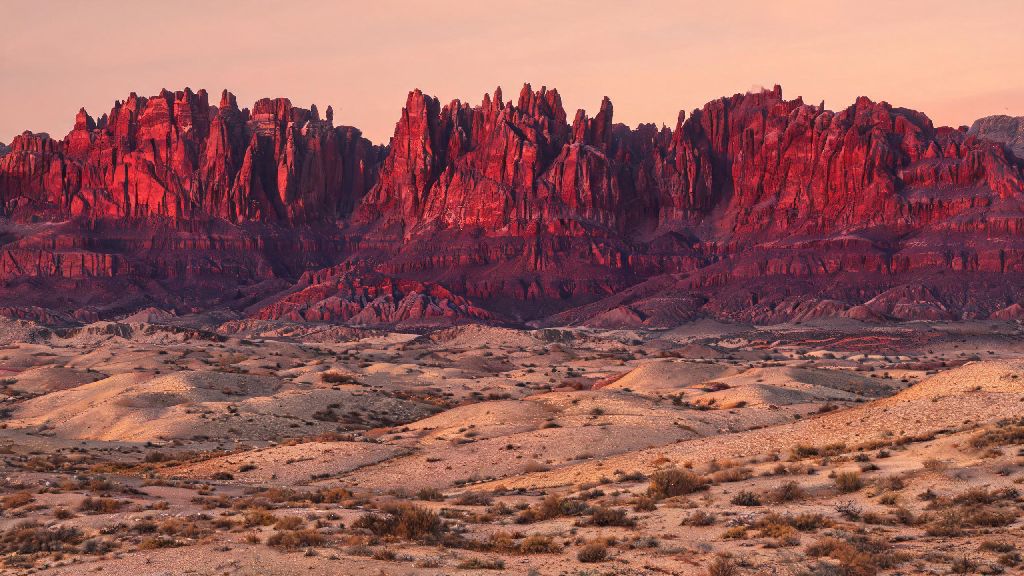
If you’re a mid-game player stuck picking your next open world zone to grind, the crimson cliffs vs desert hills debate has probably popped up in your faction chat or Discord server at least once. I’ve run both zones on 4 different character builds over the last year, from stealth archers to heavy tank healers, so I know first-hand how big a difference choosing the wrong zone can be for your progress. This breakdown skips the generic fluff and covers exactly what you need to know to pick the zone that fits your goals, no wasted playtime required.
Core Differences Between Crimson Cliffs vs Desert Hills for New Players
Crimson Cliffs is the higher-elevation zone along the northern map edge, full of jagged rock formations, roving bandit camps, and small hidden cave systems. It’s designed for players around level 28 to 36, with mostly melee and mid-range enemies that hit hard but have relatively low health pools. Desert Hills, by contrast, is the sprawling arid zone in the southern part of the map, built for players level 30 to 38, with a mix of long-range ranged enemies, pack-based wildlife, and large open ruin sites.
The biggest mechanical difference between the two is traversal cost: Crimson Cliffs requires you to have at least a level 2 climbing perk to access 70% of its hidden loot spots, while Desert Hills needs a level 1 heat resistance perk to avoid taking passive damage during the in-game daytime. You can get by without either perk if you’re careful, but you’ll miss out on a huge chunk of content if you skip the recommended quality of life upgrades first. When comparing crimson cliffs vs desert hills accessibility for brand new mid-game players, Crimson Cliffs is slightly more forgiving if you haven’t unlocked many traversal perks yet.
Loot and Reward Breakdown for Each Zone
Most of the rewards in Crimson Cliffs are tailored for melee and stealth builds. You’ll find tons of high-damage one-handed swords and daggers, plus rare stealth enchantment scrolls that don’t drop anywhere else in the mid-game. The quest lines here also reward a unique heavy chest piece with 15% extra resistance to blunt damage, which is a game-changer for tank builds heading into the endgame raids. Crimson Cliffs also has more skill point rewards hidden in its cave systems, so it’s a great pick if you’re trying to unlock new perk slots fast.
The loot in Desert Hills skews heavily toward caster and ranged builds. You’ll find multiple staffs with fire and nature damage bonuses, plus rare arrow bundles that deal extra damage to armored enemies. The main quest line here rewards a unique amulet that cuts spell casting cost by 12%, which is almost mandatory for mage builds that struggle with mana management in mid-game fights. Desert Hills also has 3x more gold loot drops than Crimson Cliffs, because most of its enemies carry coin purses and the ruin sites have hidden treasure caches that reward 500 to 1500 gold each. When comparing crimson cliffs vs desert hills drop rates, you’ll notice that skill-specific loot is far more consistent in the zone that matches your build.
Which Zone Fits Your Current Playstyle and Goals?
Picking the right zone depends entirely on what you’re trying to achieve in your play session, not just your character level. I’ve broken down the most common use cases to make the choice easy:
If you’re playing with a group, you can mix and match objectives even if your builds don’t align. For example, a group with two melee and one caster can run Crimson Cliffs first for the melee loot, then head to Desert Hills to farm gold for the whole party. Don’t feel forced to stick to one zone just because your build “should” prioritize it – if you prefer the scenic red rock views of Crimson Cliffs over the barren desert, you can still make it work with a few small gear adjustments. I’ve tested both routes with hybrid spell-sword builds, and the crimson cliffs vs desert hills order makes a huge difference in how fast you can progress through the mid-game.
Common Mistakes to Avoid in Both Zones
The most common error I see new players make in Crimson Cliffs is forgetting to bring extra healing potions for fall damage. Even if you have the climbing perk, it’s easy to slip on the jagged rocks and take 60% of your health in fall damage if you’re not paying attention. Another mistake is skipping the small bandit camps – many players rush to the main quest locations, but the bandit camps have the highest drop rate for the rare daggers and stealth scrolls. If you’re just running the main quest line, you’ll miss out on almost 60% of the zone’s best rewards.
The biggest mistake in Desert Hills is heading out during daytime without heat resistance. You’ll take 5% of your health in damage every 10 seconds, which makes fighting enemies almost impossible and wastes all your healing items. Another common error is trying to fight the desert wolf packs alone – they spawn in groups of 4 to 6, and they can stun lock you even if you’re 2 levels higher than them. Always bring a companion or party member if you’re planning to farm the outer edges of Desert Hills to avoid getting sent back to the nearest respawn point repeatedly. Never sell the unique quest rewards from either zone – you can’t get them back, and they’re required for a late-game cross-zone quest line that unlocks a free legendary weapon. If you’re bouncing between crimson cliffs vs desert hills in one play session, make sure you pack both extra climbing tools and heat resistance potions to avoid unnecessary headaches.
At the end of the day, the crimson cliffs vs desert hills choice comes down to what you want to get out of your play session, not some arbitrary tier list ranking. If you go in with clear goals and the right prep items, you’ll get great value out of either zone, even if it’s not the “recommended” one for your build. Take 2 minutes before you head out to check your current gear, quest log, and playtime goals, and you won’t waste a second of your time grinding.