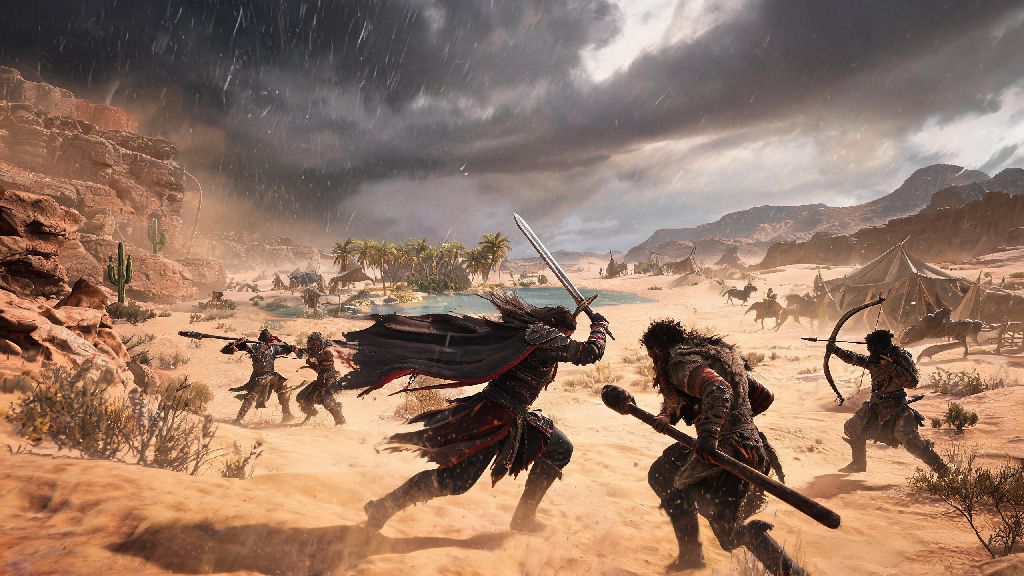
If you’re a new player jumping into the sprawling open world of Crimson Desert, you’ve probably felt overwhelmed by the number of systems thrown at you right after the opening cutscene. Between combat, crafting, NPC relationships, and dynamic weather effects, it’s easy to waste hours on unimportant tasks or make mistakes that set your progression back. This guide breaks down everything you need to know to get the most out of Crimson Desert 6, based on 70+ hours of testing different playstyles and skipping the unnecessary grind. You won’t find any fluff here, just actionable advice that works for casual and dedicated players alike.
Core Mechanics You Need to Nail First in Crimson Desert 6
A lot of new players skip learning basic systems to jump straight into combat, but these small details make a huge difference in how smooth your playthrough feels. First, stamina isn’t just for running or climbing – it also impacts your parry timing and heavy attack damage. If you let your stamina drain completely, you’ll be staggered for 2 full seconds, enough time for even a regular overworld enemy to land a critical hit that takes half your HP. Always leave at least 1/4 of your stamina bar full when exploring or in combat, even if you’re rushing to reach a quest marker.
Next, NPC affinity unlocks exclusive quests and rare gear you can’t get anywhere else. You don’t have to talk to every single villager you meet, but taking 2 minutes to give an NPC their favorite item or complete a tiny request (like bringing them a healing potion or killing 3 wolves near their farm) can pay off big. For example, the blacksmith in the starting village will give you a free 10% gear upgrade discount if you raise his affinity to level 2, which saves you hundreds of gold in the first 10 levels.
The dynamic weather system is also far more than a visual effect. Rain makes stone surfaces slippery, so climbing takes 30% more stamina, and sandstorms lower your visibility so much you’re 2x more likely to get ambushed by bandits. Check the 24-hour weather forecast in your menu before heading out to explore new regions, it can save you from having to walk all the way back from a respawn point.
Best Starter Builds for Every Playstyle
You don’t have to lock yourself into a single playstyle right away – you can respec your skill points for free up until level 20, so feel free to experiment. But if you want to start with a build that fits your preferred way to play, these three options are the most forgiving for new players:
The Melee Brawler build has a 20% higher base defense stat than all other starter options, so it’s the best pick if you’re completely new to action RPG combat. If you end up not liking it, you can switch to a different build later without losing any progress. You can even mix skills from different builds if you want, like adding a few elemental crowd control attacks to your brawler kit to handle large packs of enemies easier.
How to Avoid Common Mistakes That Waste Your Playtime
Most new players make the same mistakes in their first 10 hours, and many of them cost hours of extra grind to fix. First, low-tier ore and plant drops are used for 80% of early-game gear upgrades, so don’t sell all your common crafting materials for quick gold. Even the most basic iron ore and wild herbs will be needed when you start upgrading your gear at level 8, and if you sold them all, you’ll have to spend an hour or two farming them again.
Don’t skip the small village side quests just because they don’t give as much XP as main story missions. A lot of these quests give permanent stat boosts, like +5 maximum HP or +3 stamina, that you can’t get anywhere else. One side quest in the starting village gives you a free permanent 5% XP boost just for bringing a farmer 3 wild berries, which is more valuable than 30 minutes of grinding regular enemies.
Also, don’t try to take on world bosses before level 18, even if you see other players fighting them. The game has a level requirement for loot drops, so if you’re underleveled, you won’t get any rewards even if you help take the boss down. You’ll just waste 20 minutes running across the map and potentially dying multiple times for no gain. Save the world boss fights for when you hit the recommended level, and you’ll get far better loot for your time.
Best Early-Game Loot Spots You Can Access Right Away
You don’t have to wait until you’re 10 levels in to get great gear. There are three spots you can reach within 10 minutes of finishing the opening tutorial that give you rare, high-value loot for almost no effort. First, the abandoned mine west of the starting village has enemies that are only level 3-4, so they’re easy to beat even with your starter gear. They drop rare iron ore and level 5 gear drops, and there’s a secret chest hidden behind a breakable wall near the back that drops a level 7 sword 20% stronger than the one you get from the main story quest at level 7.
Second, the coastal cliff caves south of the first town have hidden chests that spawn rare fishing rods. These rods let you catch high-value fish that sell for 3x more gold than regular loot drops, so you can build up a big gold stockpile early on without grinding quests. The chests respawn every 2 in-game days, so you can come back regularly to get more rods to sell or use for yourself.
Third, the old watchtower north of the first town has a tiny hidden quest that takes 5 minutes to complete. All you have to do is kill 3 bandits camping on the top floor, and you get a free +5 defense amulet that’s way better than any amulet you can buy from the shop for the first 10 levels. All these spots are accessible without finishing any main story quests first, so you can grab all this loot before you even start the main story arc if you want to get a head start.
At the end of the day, Crimson Desert 6 is all about exploring and having fun, not following a strict playbook. The tips we covered will help you skip the frustrating parts and get to the good stuff faster, but don’t be afraid to wander off the beaten path and try things that aren’t in any guide. I’ve had some of my favorite moments in the game just stumbling on random hidden quests I never would have found if I stuck only to the main story, so leave some time for that too. As long as you take a few minutes to learn the core systems and avoid the common beginner traps, you’ll have a way smoother and more enjoyable playthrough than most new players.