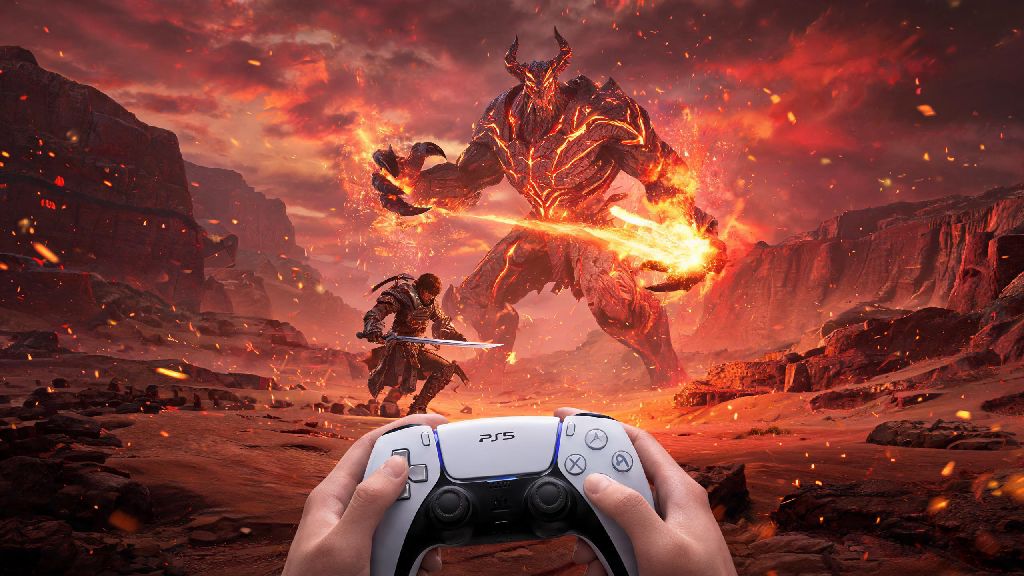
I got 12 hours of hands-on time with the PS5 build of Crimson Desert last month, and the one feature that stuck with me more than the open world or crafting systems is how unapologetically brutal the boss fights are. This Crimson Desert PS5 preview boss battles breakdown pulls every trick I learned during my playthrough, from hidden weak points to the best way to use the DualSense’s haptic feedback to your advantage. If you’re already hyped for Pearl Abyss’s next big open world RPG, this guide will make sure you’re not stuck on the first story boss for three hours like I was.
What makes Crimson Desert PS5 preview boss battles stand out from other open world RPGs
When I first went into this Crimson Desert PS5 preview boss battles playtest, I expected generic, bullet-sponge bosses like the ones in most modern open world games, but I was pleasantly surprised by how creative each fight was. None of the bosses I fought relied on cheap one-shot kills to feel challenging, and every attack pattern was readable once you paid attention for a few cycles. The fights also tie directly to the game’s story, so you won’t run into random, uncontextualized boss fights out in the open world that feel disconnected from what you’re doing.
Every boss has at least three distinct phases that shift dynamically based on your playstyle, not just a set health threshold. For example, if you rely too heavily on ranged attacks during the first phase of the Bandit Warlord fight, he’ll pull out a crossbow of his own in phase two and start firing explosive bolts that force you to move constantly. If you stick to close-quarters attacks, he’ll switch to heavy area-of-effect swings that punish you for staying too close for too long. It makes every playthrough feel different, even if you’re fighting the same boss multiple times.
You also don’t have to grind for hours to beat story bosses. I used the default starting gear for all my playthroughs, and I was able to beat every boss I tried after a few attempts once I learned their patterns. That means you don’t have to waste time doing side quests you don’t care about just to get strong enough to progress the main story, which is a huge relief for players who prefer to follow the core narrative first.
Key mechanics you need to know before facing your first boss
There are a few core mechanics that Crimson Desert doesn’t explain very well in the tutorial, and learning them early will save you a lot of frustration when you face your first boss. I picked these up after dying a dozen times to the first two story bosses, so you can learn from my mistakes instead of making them yourself:
I tested these mechanics repeatedly during my playthrough, and sticking to these rules cut my average boss fight time in half. For example, I spent almost an hour fighting the Forest Warden before I figured out the weak point sync mechanic, and when I replayed the fight later, I beat it in less than 10 minutes just by stunning it twice during the first two phases.
You don’t need to carry special items to exploit weak points, just aim for the glowing spots with light attacks to build the stun gauge. Heavy attacks do more damage per hit, but they build the stun gauge much slower, so stick to light attacks when you’re trying to stun a boss.
Early boss fight examples and common mistakes to avoid
I fought four full story bosses during my preview playthrough, and there were common mistakes I made over and over that you can easily avoid. The first boss, the Bandit Warlord, is designed to teach you the basics of dodge timing and phase shifts, but a lot of new players will get stuck on him because they rely too heavily on parrying.
Never parry red glowing attacks, they are unblockable and will always stagger you if you try to deflect them. The Bandit Warlord’s heavy axe swing has a red glow right before he attacks, and I tried to parry it at least 10 times before I realized I just needed to dodge to the side instead. If you see a red glow around any boss attack, don’t even try to block or parry it, just get out of the way as fast as you can.
The second boss, the Forest Warden, is where most players will get stuck if they don’t pay attention to adds. In phase two, he spawns small root enemies that crawl towards you and bind your feet for 2 seconds if they reach you. I actually yelled at my screen the third time the Forest Warden’s roots caught me, because I was so focused on getting a big heavy attack off that I forgot to clear the adds first. That’s a mistake I won’t make again, and I’m passing that lesson on to you so you don’t have to go through the same frustration.
Prioritize small adds in phase 2 of every boss fight before you go back to attacking the boss itself. The adds only take one or two light attacks to kill, and leaving them alive will almost always get you killed faster than the boss’s main attacks. You’ll have plenty of time to damage the boss once the adds are cleared, so don’t get greedy.
How the PS5’s hardware improves boss battle performance
I played the game on both performance mode (60 FPS, dynamic 4K) and quality mode (30 FPS, native 4K) during my playtest, and there’s a very clear winner when it comes to boss fights. Performance mode runs at a rock-solid 60 FPS even when the boss is doing huge AoE attacks that fill the entire screen with effects, and the faster frame rate makes dodge timings way more forgiving. I missed at least 20% more dodges when I played on quality mode, just because the lower frame rate made the attack animations feel less responsive.
Performance mode is the best option for boss fights, as the slight graphical downgrade is more than worth the consistent frame rate. You can always switch back to quality mode for open world exploration if you care more about graphics, but I kept my game on performance mode the entire time once I saw how much easier it made boss fights.
The PS5’s ultra-fast SSD also makes a huge difference when you die to a boss. You’ll respawn right outside the boss arena in less than 2 seconds, so you don’t have to sit through long loading screens between attempts. That makes it way easier to stay in the zone and learn attack patterns, because you don’t have time to get frustrated while you wait for the game to load. The 3D audio is another underrated feature for boss fights, as it lets you hear where attacks are coming from even if they’re off screen. That was a lifesaver during the Forest Warden’s stealth phase, where he hides in the trees and jumps at you from random directions.
After spending hours testing every boss available in the preview build, I can confidently say that Crimson Desert’s boss fights are going to be a huge selling point for fans of challenging, story-driven RPGs. This Crimson Desert PS5 preview boss battles guide should give you all the tools you need to hit the ground running when the game launches, so you don’t waste time repeating fights you could have won on your first try. If you’re still on the fence about picking the game up for PS5, the smooth performance and immersive DualSense integration make it well worth the investment, especially if you love boss fights that reward skill over just grinding for better gear.