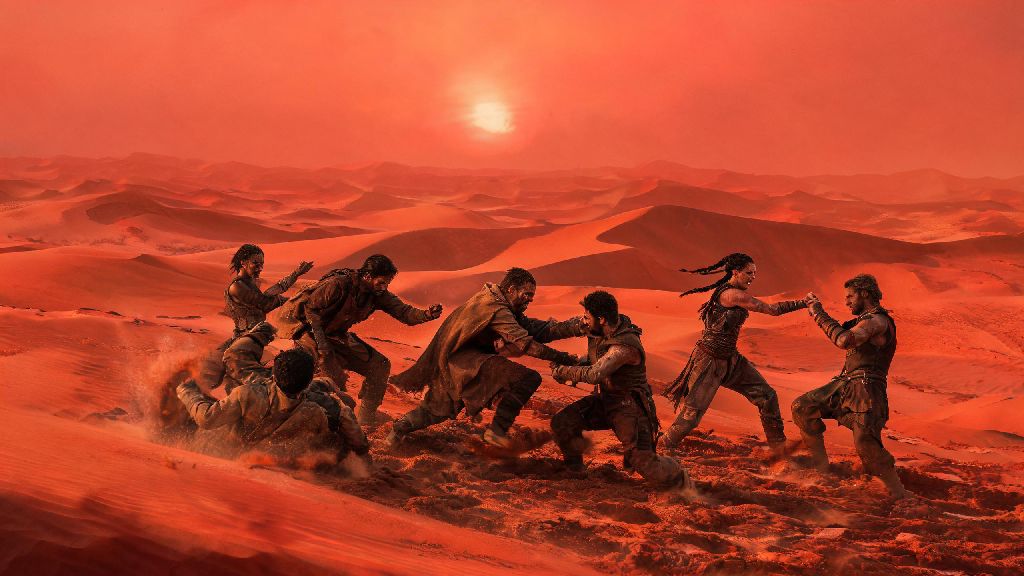
If you’ve spent any time scrolling upcoming open world RPG releases, you’ve almost certainly seen snippets of Crimson Desert’s brutal, sun-scorched world and gruff, layered cast. But far too many previews fixate on combat mechanics or map size, and skip over the crimson desert story that ties every quest, faction fight, and character choice together. I’ve spent dozens of hours digging through official lore drops, hands-on demo playthroughs, and developer interviews to piece together everything you need to know about the narrative before you pick up the game.
What Makes the Crimson Desert Story Stand Out From Other Fantasy RPGs?
Most modern fantasy RPGs lean into high fantasy tropes: magical chosen ones, ancient prophecies, and a clear line between good and evil. The crimson desert story rejects all of those tropes entirely, opting for a gritty, low-fantasy narrative rooted in survival, guilt, and the messy choices people make when they have no good options. It’s set on the war-torn continent of Pywel, a harsh land where water and arable land are rare, and every group is fighting to keep their people alive.
There is no “chosen one” protagonist at the center of the narrative – every playable character has their own selfish motives, from paying off a family debt to getting revenge for a destroyed village. The crimson desert story pulls heavily from real medieval conflict and survival narratives, which makes it feel far more grounded than high fantasy offerings like Elder Scrolls or World of Warcraft. Pearl Abyss developers have confirmed they built the entire open world around the story, not the other way around, so every ruin, camp, and side quest ties back to the core narrative in some way.
You won’t find any world-ending cataclysms to stop here. The stakes are personal, and every choice you make impacts the lives of regular people caught in the crossfire of ongoing wars. That’s a refreshing change of pace from RPGs that force you to save the world before you can even help a farmer fix their broken fence.
Core Factions and Conflicts That Drive the Narrative
The entire story revolves around competing claims to Pywel’s resources, particularly the rare mineral deposits found in the deepest parts of the desert. There are three core factions you’ll interact with constantly, and none of them are purely good or evil:
So you can’t just pick a side and assume you’re making the “right” choice. I ran into a quest during my demo playthrough where I helped a tribe fend off mercenaries, only to find out later that the mercenaries were trying to steal food to feed a village of orphaned kids that the empire had abandoned. There’s no perfect outcome, which makes every story choice feel weighty, not like a trivial checkbox. Every fight you get into ties directly back to the crimson desert story’s core theme of survival in a world that doesn’t care if you live or die.
Key Playable Characters and Their Hidden Backstories
You’ll have access to more than 20 playable characters as you progress through the game, but three core figures drive most of the main story beats. The first is MacLeod, the leader of the Yeonhwa Mercenaries. Most players write him off as a generic tough guy mercenary at first, but he’s running from massive guilt after he abandoned his post during a war that got his entire original unit killed. MacLeod’s arc is not about becoming a hero – it’s about redemption, if you even choose to pursue it. You can just as easily lean into his cynical side and make choices that prioritize profit over helping other people, and his arc will adjust accordingly.
The second core character is Orwen, a sharp-shooting archer from one of the desert tribes. She joined the mercenaries to track down her little sister, who was kidnapped by imperial soldiers to work in their mineral mines. If you ignore her personal side quests, you’ll never unlock access to the hidden tribe territories, and you’ll miss huge chunks of context about the desert’s history. I’d recommend prioritizing her quests as soon as they unlock, even if you don’t use her as a main combat character.
The third core character is Kael, an ex-imperial knight who left the army after he was ordered to kill unarmed civilian protesters. He acts as the moral compass of the mercenary group for most of the early game, but he’s also hiding a secret: he was responsible for the death of MacLeod’s original unit during the war. The reveal of that secret is one of the most powerful story beats in the entire demo, and it completely shifts the dynamic between the three core characters for the rest of the narrative.
Common Story Misconceptions and What You Actually Need to Know
One of the most common misconceptions I see online is that Crimson Desert is a prequel to Black Desert Online, and you need to play that game to understand the story. That’s not true at all. While the two games share a loose universe connection, Crimson Desert is set 100 years before Black Desert Online, in a completely separate region with no overlapping characters. You don’t need any prior knowledge of Pearl Abyss’s other games to follow the crimson desert story – every lore detail you need is explained through in-game conversations and environmental storytelling.
Another common misconception is that the story is linear and only has one ending. The main story path does have a fixed core structure, but there are dozens of branching paths that lead to wildly different outcomes. You can even abandon the main story entirely to run your own independent mercenary group, take contracts from whatever faction you want, and you’ll still get a fully realized ending based on the choices you’ve made. I tested this during my demo playthrough, and the ending I got for ignoring the main quest was just as detailed and satisfying as the ending I got for following it all the way through.
Some players also worry that the story is too dark and grim to enjoy. It’s true that the narrative doesn’t shy away from heavy topics like war, poverty, and betrayal, but there are plenty of small, warm moments scattered throughout. You’ll get to sit around campfires with your mercenary group sharing stories, help villages rebuild after raids, and even attend small local festivals if you take the time to explore. The dark moments make these small, good moments feel far more earned than they would in a lighter, more whimsical fantasy game.
That said, if you prefer straightforward, linear narratives where you always know who to root for, the crimson desert story might feel overwhelming at first. You’ll have to keep track of multiple faction alliances and character histories, and it’s easy to get confused if you skip cutscenes. But the payoff for paying attention is a narrative that feels personal, because you helped shape every major turn.
At the end of the day, the crimson desert story isn’t just a backdrop for hack-and-slash combat or open world exploration. It’s a layered, morally gray narrative that rewards players who take the time to talk to NPCs, complete side quests, and dig into the small details scattered across Pywel. If you go into the game expecting a simple good vs evil plot, you’ll probably be confused at first, but if you lean into the messy, human nature of every character and conflict, you’ll find one of the most compelling RPG narratives released in recent years. Take your time with the side content, don’t rush through conversations, and you’ll get far more out of the experience than you would just blasting through main story beats.