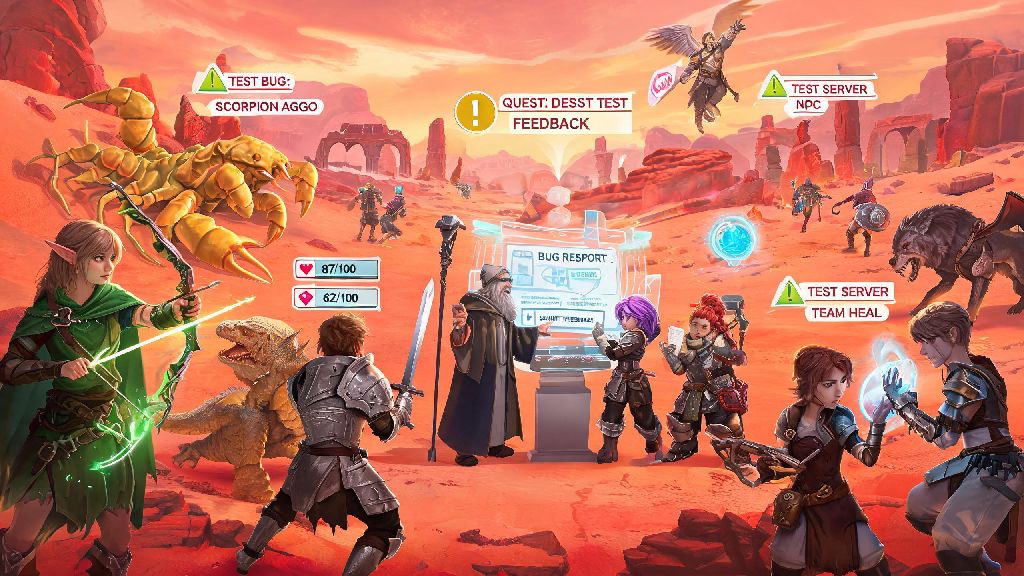
I’ve spent the last three playtests running through every available zone, testing combat mechanics, and intentionally breaking quest lines to help Pearl Abyss smooth out bugs ahead of launch, so I know exactly how overwhelming your first crimson desert test run can feel if you don’t come prepared. Most new playtesters jump straight into the open world without checking what tasks the dev team actually wants feedback on, and end up wasting 80% of their limited access time messing around with features that are already finalized. This guide breaks down everything you need to do before, during, and after your test session to make your time count, both for you and the dev team building the full game.
How to Sign Up for the Crimson Desert Test and Get Approved Fast
First, forget the myth that you need to have 10+ years of MMORPG experience or a huge social media following to get a test invite. Pearl Abyss actively looks for a mix of casual and hardcore players across all age groups and platform preferences to get the most varied feedback possible. You don’t need to be a top-tier gamer to get selected – honest, detailed feedback from casual players is just as valuable as input from competitive content creators.
When you fill out the official sign-up form, fill out the entire survey honestly instead of lying about your play habits to seem like a more ideal candidate. If you say you only play 2 hours a week and prefer single-player story games, you’re actually more likely to get selected for tests focused on the game’s single-player narrative content. Lying about your experience will only get you placed in tests that don’t align with your playstyle, which makes your feedback less useful for the team.
Before you submit your application, have these details ready to speed up the review process:
Most invites go out 7-10 days before the test start date, so keep an eye on your spam folder if you haven’t heard back by then. If you don’t get selected the first time, don’t worry – new test rounds run every few months, and people who submit complete applications are prioritized for future rounds.
What Content You Can Actually Access During Your Play Session
It’s normal to go into your first test expecting to explore the full open world you saw in official trailers, but you’ll be disappointed if you go in with that mindset. Most early test builds only include 20-30% of the full open world, with zones blocked off by invisible walls or travel restrictions. The devs limit content so players focus on testing specific features instead of wandering around areas that are still in early development.
Early tests usually focus heavily on combat balance and core movement mechanics, so expect a lot of side quests that push you to fight different enemy types and test out all available skill combinations. If you’re joining a late-stage crimson desert test, you might get access to PvP arenas or co-op dungeon content as well, so keep an eye on the pre-test email for details on what’s included that round.
One important thing to note: almost all test builds come with a non-disclosure agreement (NDA). That means you can’t stream, record, or share screenshots of the game online unless the dev team explicitly says you can. Violating the NDA will get you banned from all future tests, and possibly from Pearl Abyss games entirely, so it’s not worth the risk just to post a 10 second clip on social media.
Also, don’t waste time perfecting your character or grinding for rare gear. No progress from test sessions carries over to the full launch, so all the time you spend customizing your character or farming loot will be erased once the test ends.
Actionable Tips to Make the Most of Your Test Time
Many first-time playtesters assume the crimson desert test is just a free demo, but it’s actually a critical part of the development process. To make your time as useful as possible for both you and the dev team, start every session by reading the official feedback checklist that comes with your invite. This list tells you exactly what features the team wants tested that round, so you don’t waste time playing through content that’s already been reviewed and finalized.
Don’t skip the tutorial even if you’ve played dozens of other open world RPGs. The devs are often testing how intuitive the onboarding process is for new players, so your feedback on confusing prompts or unclear instructions is incredibly valuable. I always make a note of every time I get stuck during the tutorial, even if it feels like a small issue – those small pain points add up for new players who pick up the game at launch.
Take notes as you play, even for tiny issues. A glitchy texture, a quest prompt that doesn’t pop up when it should, or a skill that feels slightly unbalanced might seem unimportant, but the devs can’t fix issues they don’t know exist. If you run into a game-breaking bug, write down exactly what you were doing when it happened – steps to replicate the issue make it way easier for the QA team to find and fix the problem quickly.
Don’t be afraid to test “broken” or weird things either. Jump off the highest cliff you can find, attack friendly NPCs, try to combine skills that don’t seem like they work together, or attempt to get into zones you’re not supposed to access. That’s exactly what the test is for – the devs want to find all the edge case bugs before the game launches, so you won’t get in trouble for breaking things on purpose.
What to Do After You Finish Your Test Session
As soon as you finish your last play session, fill out the official feedback survey before you do anything else. You’ll forget small details about bugs or balance issues if you wait even a day to fill it out, so doing it right away ensures your feedback is as accurate as possible.
Be specific with your feedback instead of using vague complaints. Saying “combat feels bad” doesn’t help the devs fix anything, but saying “the heavy attack animation for the warrior class takes 1.2 seconds longer to trigger than the light attack, which makes it impossible to use in fast-paced PvP encounters” gives the team a clear issue to address. The more specific you are, the more likely your feedback is to lead to actual changes in the final game.
If you opted in for future tests when you signed up, take 5 minutes to update your profile if your play preferences or hardware changed since your last application. For example, if you bought a new gaming PC since your last sign-up, updating that information makes you eligible for PC-exclusive test rounds you wouldn’t have qualified for before.
You won’t get any special in-game rewards for participating in most test rounds, but you do get to play one of the most anticipated MMORPGs of the last decade months before launch, and help shape the final product that millions of people will play. It’s a pretty cool tradeoff for a few hours of your time.
At the end of the day, the crimson desert test is all about collaboration between players and devs to build the best possible game for launch. You don’t need to have any special skills to participate, just a willingness to explore, give honest feedback, and follow the rules set by the team. If you follow the tips we laid out here, you’ll get way more out of your play session, and your input will actually make a difference to the final game that millions of people will play down the line. If you get an invite, don’t overthink it – jump in, have fun, and don’t forget to report those bugs.