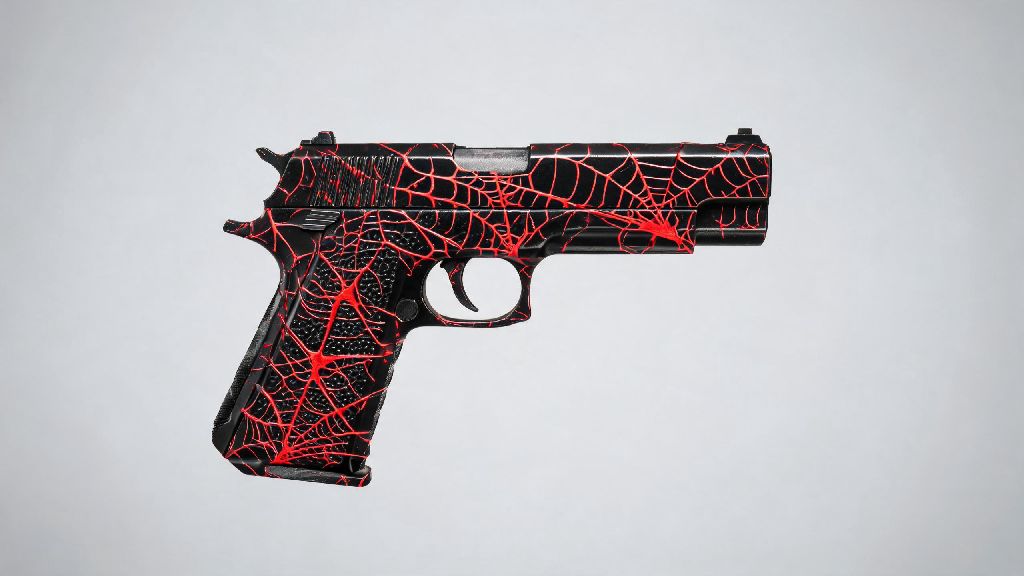
If you’ve spent any time playing Counter-Strike over the last decade, you know the Desert Eagle is more than just a pistol. It’s a status symbol, a clutch weapon that can turn a 1v5 round around in one shot, and one of the most popular weapons for custom skins. Out of all the Deagle skins ever released, few have the dedicated fanbase of the Crimson Web line, and for good reason. Its gritty red and black web design looks menacing in loadouts and in-game, but what a lot of new players don’t realize is that desert eagle crimson web patterns vary wildly in quality, rarity, and value, even between skins with the exact same wear rating. I’ve been collecting and trading CS skins since 2016, and I’ve seen far too many people overpay for low-quality patterns or underprice rare ones because they don’t know what to look for. This guide breaks down everything you need to know to make smart choices when buying, selling, or trading these iconic skins.
What Makes Desert Eagle Crimson Web Patterns Unique From Other Skins?
Most CS weapon skins have fixed designs, where the only difference between two copies is the wear level and minor scuff placement. Crimson Web skins are different, because their core pattern is procedurally generated when the skin drops, meaning no two Desert Eagle Crimson Web skins are 100% identical. The pattern is made up of interlocking black web lines over a deep red base, with small gaps of the gun’s original silver metal peeking through in spots.
There are three core factors that define the quality of any given pattern, and they matter far more than float value for most collectors and traders. First is web coverage percentage, which measures how much of the gun’s slide is covered by the distinct black web lines, rather than solid red or bare metal. Second is web placement on high-visibility areas, since the left side of the slide is the only part you see when holding the gun in first-person, patterns with full coverage on that side are far more desirable than those with coverage only on the right. Third is red hue saturation, where deeper, richer red bases are preferred over faded, pinkish reds that are common on lower-quality drops.
I once saw two Factory New Desert Eagle Crimson Web skins listed for sale on the same day, with nearly identical float values. One was priced at $120, and the other at $450. The only difference was the pattern: the cheaper one had 40% coverage on the left slide, with large gaps of bare metal, while the more expensive one had full coverage across the entire left side, with webs extending all the way to the barrel. That’s the kind of price difference pattern quality can create, and it’s why learning to evaluate these patterns is so important if you’re going to spend money on one.
Rarity Tiers for Desert Eagle Crimson Web Patterns You Should Know
Over years of trading and talking to other collectors, the community has settled on a standard tier system for these patterns, based on coverage, placement, and overall quality. You might see different labels from individual sellers, but these tiers are widely accepted across most trading platforms and community groups. Even if you’re just buying a skin for casual use, knowing these tiers will help you avoid overpaying for low-quality desert eagle crimson web patterns that don’t live up to their price tag.
It’s important to remember that wear level is completely separate from pattern tier. You can find a God Tier pattern in Well-Worn condition, and a Low Tier pattern in Factory New condition. In most cases, a Tier 2 Field-Tested skin will be worth more than a Tier 4 Factory New skin, because pattern quality is the primary driver of value for these skins. Float value only becomes a top priority once you’ve confirmed the pattern falls into the tier you’re looking for.
How to Evaluate Desert Eagle Crimson Web Patterns Before Buying or Trading
Knowing the tier system is half the battle, but you still need to know how to properly evaluate a skin before you spend money on it, or agree to a trade. I’ve made my share of mistakes here, so these tips come from firsthand experience losing money on bad trades early in my collecting days. When you’re looking at desert eagle crimson web patterns, it’s easy to get distracted by low float values or nice screenshots, but sticking to these evaluation steps will keep you from making costly mistakes.
First, never trust a seller’s photos or tier label alone. Always use the official in-game inspect link to view the skin in 3D, so you can spin it around and check coverage on all sides, not just the one the seller chose to photograph. Fake “god tier” scams are surprisingly common, where sellers edit screenshots to add extra web lines or hide gaps, so verifying the inspect link yourself is non-negotiable.
Next, prioritize coverage on the left slide first, before you look at any other part of the gun. If the left side has gaps, it doesn’t matter how nice the right side looks, because you’ll never see the right side when you’re playing. I’ve had people try to trade me skins with perfect right-side coverage and half the left side missing, acting like it’s a high tier skin, and it’s always a hard pass.
If you’re buying the skin to use in competitive play, also check that the web lines don’t cover the iron sights. Solid red or black web lines over the front or rear sight can throw off your aim, especially in low-light maps, so look for patterns that have small gaps around the sight area. I once bought a Tier 2 Factory New skin for $250, only to realize the front sight was almost completely covered by a thick web line. I tried using it for a week, and my headshot percentage dropped by 7% in competitive matches, so I ended up selling it for $200 a month later, taking a loss just because I didn’t check the sight line before buying.
Finally, if you’re buying for investment purposes, look for patterns with unique quirks that are sought after by collectors, like a web that forms a distinct shape, or extra webs on the trigger guard. These small quirks can add 20-50% to the skin’s value, and they’re often overlooked by casual sellers, so you can find great deals if you’re paying attention.
Common Misconceptions About Desert Eagle Crimson Web Patterns Debunked
There are a lot of bad takes and myths floating around about these patterns, especially in new player groups and casual trading servers. These myths have been around for years, and they’ve cost hundreds of new players hundreds of dollars on misrepresented desert eagle crimson web patterns. Let’s clear up the most common ones I see repeated all the time.
First myth: Factory New skins always have better patterns. That’s completely false. The pattern is generated when the skin drops, before the wear level is assigned, so there’s no correlation between wear and pattern quality. I’ve seen a Well-Worn God Tier pattern sell for $800 last year, while a Factory New Low Tier pattern was listed for $90 on the same platform. Don’t assume a higher wear price tag means a better pattern.
Second myth: More red color means a better pattern. A lot of new players think the more red the skin has, the rarer it is, but that’s the opposite of the truth. The black web lines are the defining feature of the Crimson Web line, so solid red areas without any web lines are considered a flaw, not a bonus. A skin with 70% web coverage (black lines on red) is worth more than a skin with 90% red coverage but only 30% web lines.
Third myth: Pattern seed numbers are a perfect way to judge quality. Pattern seed numbers are the code that generates the pattern, so two skins with the same seed will have identical patterns. That said, seed lists online are often incomplete or mislabeled, so even if a seller says a skin has a “top 100 seed”, you still need to inspect the skin yourself to confirm it matches the seed’s pattern. I’ve seen sellers list skins with random seeds as top tier seeds, hoping buyers won’t bother to check.
Fourth myth: All Crimson Web Deagles will go up in value over time. Only high tier patterns hold their value long term. Low tier patterns are common, and their value usually stays flat or even drops if a new popular Deagle skin comes out. If you’re buying for investment, stick to Tier 1 or Tier 2 patterns, because demand for those has stayed steady for over 8 years, even as hundreds of new skins have been released.
At the end of the day, whether you’re buying a Desert Eagle Crimson Web to use in your matches, add to your collection, or trade for profit, taking the time to learn about desert eagle crimson web patterns will save you money and help you get exactly what you want. You don’t have to be an expert, but knowing the tier system, how to inspect a skin properly, and what myths to ignore will help you avoid the common mistakes that new collectors make. Next time you’re browsing skins, take an extra minute to spin the inspect view, check the left slide coverage, and make sure the pattern lives up to the asking price. More often than not, that extra minute will pay off.