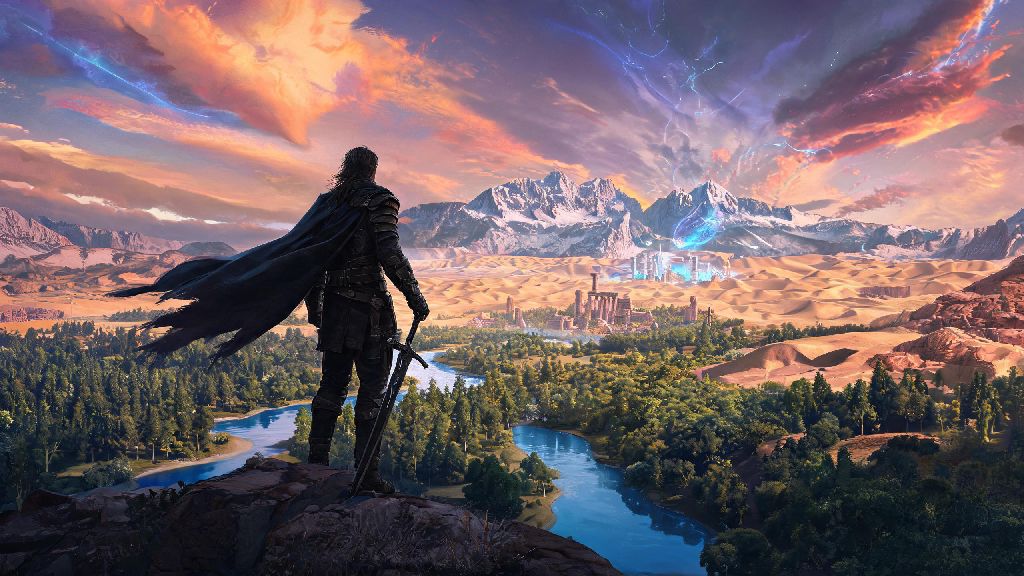
If you’ve been scrolling through upcoming RPG teasers and asking yourself is Crimson Desert open world, you’re far from alone. Pearl Abyss’s long-awaited fantasy title has generated tons of hype for its cinematic combat, deep storytelling, and promises of a living, breathing world to explore. I’ve spent dozens of hours with the recent closed beta builds, so I’m breaking down exactly what kind of world you can expect to explore when the game launches, plus what open-world features make the cut and which are still being adjusted before full release.
Is Crimson Desert Open World? Breaking Down Its Core World Design
To cut straight to the point: Crimson Desert falls firmly in the open-world RPG category, though it has a few structured story segments that pull you into instanced areas temporarily. Unlike fully linear RPGs that lock you to a set path for 90% of playtime, you can wander off the main story path within the first hour of gameplay to explore the continent of Pywel. The world is split into distinct biomes that connect seamlessly, with no loading screens popping up when you cross from a snow-capped mountain range to a lush forest valley, for example. The only time you’ll hit a loading screen outside of fast travel is when you enter story-specific dungeons or character quest instances, which make up less than 20% of total playtime based on beta tests. That means you can spend hours hunting rare wildlife, clearing bandit camps, or trading with remote villages without ever touching the main quest line if that’s what you prefer. This level of freedom is exactly what most players mean when they ask if is Crimson Desert open world, and it delivers on that promise fully.
Key Open-World Features You Can Expect in Crimson Desert
Pearl Abyss drew a lot of inspiration from their work on Black Desert Online, but they’ve adjusted a lot of open-world systems to fit Crimson Desert’s more story-focused tone. I tested most of these features during the closed beta, and the ones that are already implemented feel polished and rewarding to interact with:
I was surprised by how little hand-holding there is for these open-world activities. The game gives you a basic map marker for points of interest, but you have to figure out how to complete most activities on your own, which feels refreshing compared to other recent open-world games that walk you through every small step. You don’t have to complete every activity either, so you can pick and choose what fits your play style without missing out on critical rewards or story content.
How Crimson Desert’s Open World Differs From Other Fantasy RPGs
A lot of people compare Crimson Desert to games like The Witcher 3 or Elden Ring, but its open world has a few unique quirks that set it apart. First, the world feels far more alive than most other open-world RPGs I’ve played. NPCs have their own daily routines, villages will go through seasonal festivals, and even enemy camps will move locations every few in-game days if they’re not cleared out. You also won’t find an endless flood of generic collectibles scattered across the map, which is a huge win for anyone who hates running around picking up 1000 identical trinkets just to 100% complete the game. Every point of interest you find has a purpose, whether it’s a small side quest, a rare piece of gear, or a story snippet that adds more context to the world of Pywel. Even small choices you make in side quests can change how entire regions look and operate — for example, if you help a group of farmers build a new irrigation system, the surrounding fields will grow over time and the village will expand to add new shops. The world is also smaller than some other recent open-world titles, but that works in its favor. There’s no empty, filler space just to make the map look bigger, so every area you explore feels hand-crafted and worth your time. I never found myself wandering for 20 minutes without finding something interesting to interact with during my beta playthrough, which is a problem I run into with almost every other open-world RPG these days.
Limitations of Crimson Desert’s Open World to Keep in Mind
It’s not all perfect, of course, and there are a few limitations to the open-world design that are worth noting before you pick up the game. First, you can’t explore the entire map right from the start. A few high-level zones are locked behind main story progress, mostly to prevent you from wandering into areas where enemies will one-shot you before you have a chance to get decent gear. That said, you still have access to about 60% of the total map within the first hour of play, so it’s not a huge restriction. Fast travel is also limited early game, so you’ll have to ride mounts or walk between locations until you unlock fast travel points or earn enough gold to pay for caravan rides. Some players might find this tedious, but I actually enjoyed the slower travel because it gave me more time to stumble on hidden points of interest I would have missed if I could fast travel everywhere. There are also a few small invisible walls around very steep mountain peaks and deep bodies of water, but they’re rarely noticeable unless you’re actively trying to go somewhere the devs didn’t intend players to access. Most of these are expected to be adjusted before full launch based on beta feedback, so they might not even exist when the game releases to the public.
At the end of the day, if you’re still wondering is Crimson Desert open world, the answer is a resounding yes, with a few small caveats for story-specific instances and early-game zone locks. It’s not the biggest open world ever made, but it’s one of the most dense, immersive ones I’ve tested in recent years, with tons of content to keep you occupied for dozens of hours even if you ignore the main story entirely. If you’re a fan of open-world fantasy RPGs with deep lore and rewarding exploration, it’s definitely worth adding to your wishlist as we wait for the full launch date announcement.