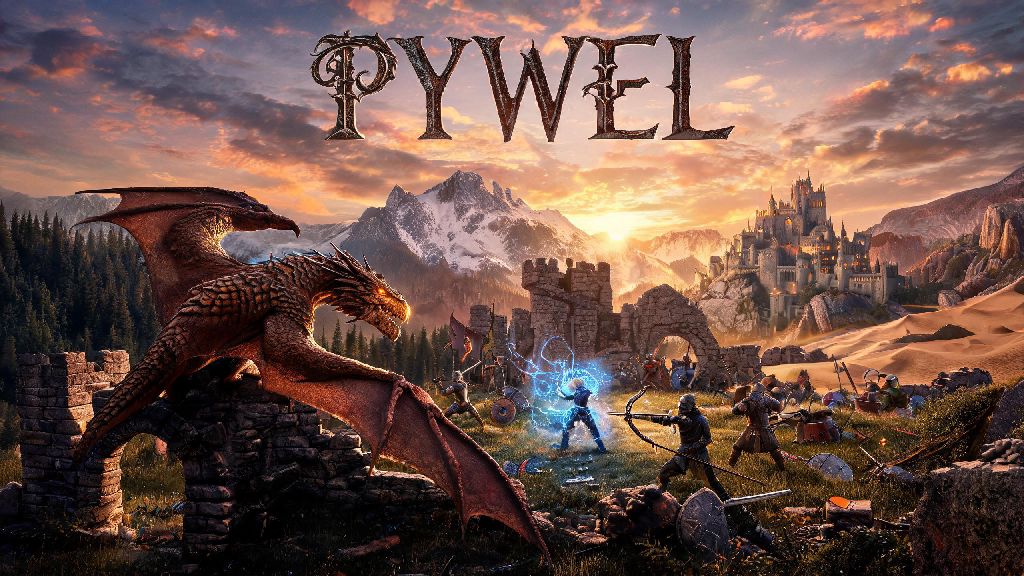
If you’ve kept an eye on upcoming RPG releases over the last few years, you’ve likely seen the cinematic trailers for Pearl Abyss’ latest project and asked yourself what is Crimson Desert about. Unlike the studio’s previous hit Black Desert Online, this new title isn’t designed as a full-scale massively multiplayer online game first. Instead, it blends tight, narrative-driven single-player content with optional multiplayer features, all set in a brutal, war-torn fantasy world that feels far more grounded than most high-fantasy releases on the market. I got hands-on with a 3-hour preview build last fall, and walked away surprised by how much it deviates from the studio’s usual formula, for the better. This breakdown covers everything you need to know before deciding if it’s the right game for you.
What is Crimson Desert About? Core Story and World Setting
The game is set on the continent of Pywel, a once-prosperous region torn apart by decades of war between feudal kingdoms, rogue mercenary bands, and corrupt religious factions. There are no over-the-top elf vs dwarf conflicts or world-ending dragon threats to be found here; the story focuses almost entirely on the struggles of ordinary people trying to survive constant violence and scarcity. Gritty, low-fantasy setting is the core of the game’s identity, and every part of the world from the tattered clothing of NPCs to the half-ruined villages you explore reflects that tone.
You play as protagonist Macduff, a disgraced former knight leading a small band of mercenaries across Pywel to take odd jobs and outrun the ghosts of his past. Unlike most RPG protagonists, Macduff isn’t a chosen one destined to save the world. His main goals are keeping his crew fed, paying off his debts, and avoiding the bounty hunters sent after him by his former lord. The story branches based on the choices you make during missions, including which factions you align with and which members of your crew you prioritize in side quests. For example, I chose to help a group of farmers defend their crops from raiders instead of taking a higher-paying job for a local lord, and that locked me out of a later trade contract but unlocked a companion quest for one of my archers that added 3 extra hours of story content.
The world is also fully dynamic, with weather patterns and day-night cycles that change how NPCs behave and what activities are available. Heavy snowstorms will block mountain passes and make travel slower, while bandits are far more likely to ambush you on the road after dark. There are no fast travel points unlocked from the start, either, so you’ll have to explore on foot or horseback first to unlock routes between regions.
Key Gameplay Mechanics That Set Crimson Desert Apart
The first thing you’ll notice when you start playing is the real-time action combat system, which feels far more responsive than the combat in Black Desert Online. You can switch between three different weapon loadouts on the fly during fights, including a one-handed sword and shield, heavy two-handed axe, and longbow, each with their own unique combo chains and special abilities. You can also issue commands to your mercenary crew during fights, like telling your healer to focus on a wounded ally or your tank to draw aggro from a tough boss. It’s not as fast-paced as a pure hack-and-slash game, but it requires enough strategy to keep you engaged even during longer fights.
Outside of combat, the mercenary management layer is the game’s most unique feature. You’ll recruit new mercenaries as you progress through the story, each with their own backstories, skill sets, and personality quirks. You’ll have to manage their morale, upgrade their gear, and build out your camp with facilities like a crafting station, kitchen, and stables to unlock new bonuses. The better you treat your crew, the more effective they are in combat, and the more likely they are to open up about their pasts and unlock exclusive side quests.
The core gameplay loops you’ll spend most of your time on include:
You don’t have to engage with all of these loops if you don’t want to. If you only care about the main story, you can ignore the camp management and open world side content entirely and still finish the game without grinding. That level of flexibility is something I’ve rarely seen in modern RPGs, and it makes the game accessible for both casual players who only have a few hours a week to play and hardcore players who want to 100% every piece of content.
How Crimson Desert Differs From Other Pearl Abyss Titles
If you’ve played Black Desert Online, you’re probably familiar with Pearl Abyss’ usual design philosophy: endless grind, heavy monetization, and a focus on multiplayer content above all else. Crimson Desert throws almost all of that out the window, starting with its narrative-first design. The main story is 30-40 hours long on its own, and every character has fully voice-acted lines and detailed backstories, which is a huge departure from BDO’s thin, mostly forgotten main plot.
Another big difference is the no pay-to-win monetization structure. The game is a one-time purchase, with no mandatory subscription and no in-game shop that sells power-boosting items. The only paid DLC planned are story expansions and cosmetic skins for your characters and camp, so you never have to worry about other players having an unfair advantage because they spent more money than you. That’s a huge relief for players who got burnt out by BDO’s expensive cash shop and pay-to-win upgrade systems.
The world is also smaller and more dense than BDO’s massive, often empty open world. Every village, cave, and ruin in Pywel has unique lore and side content to discover, so you won’t spend hours running through empty fields just to get to a quest marker. There are no filler quests either; every side mission ties into the world’s lore or a companion’s backstory, so you never feel like you’re wasting your time on meaningless fetch quests.
So if you’re a BDO fan expecting a similar experience, you might be disappointed. But if you’re looking for a more focused, story-driven game from the studio, you’ll probably love what Crimson Desert has to offer.
Who Should (and Shouldn't) Play Crimson Desert
This game isn’t for everyone, and it’s important to know what you’re getting into before you buy it. First, fans of narrative-driven action RPGs like The Witcher 3, Dragon Age: Inquisition, and Kingdom Come: Deliverance will almost certainly enjoy it. The gritty story, dynamic open world, and companion management systems hit all the same notes as those titles, and the combat is polished enough to stand on its own.
It’s also a great pick for players who hate mandatory grind. You can beat the entire main story without doing any repetitive side content, and even if you want to 100% the game, you won’t have to spend hundreds of hours grinding the same bosses over and over for rare drops. The progression system is tied to story progress and companion bonds, not random loot drops, so you always feel like you’re moving forward.
On the other hand, if you’re looking for a full sandbox MMO to play with hundreds of other players, this isn’t the game for you. The multiplayer features are entirely optional, and there’s no open world PvP or massive server-wide events like you’d find in BDO or World of Warcraft. It’s also not a good fit if you prefer turn-based combat or lighthearted, whimsical fantasy stories; the tone is consistently dark, and the combat requires quick reflexes and real-time strategy to master.
One quick tip: if you’re on the fence, wait for the official gameplay deep dives coming out a month before launch to see if the combat loop and management systems click for you. There’s no need to pre-order unless you want exclusive cosmetic skins, so you can wait for early reviews to come out before you spend any money.
By now you should have a clear answer to what is Crimson Desert about, and a good sense of whether it’s the right fit for your playstyle. It’s a bold departure from Pearl Abyss’ usual work, and it fills a really interesting gap in the current RPG market by blending single-player narrative, action combat, and management systems in a way that feels fresh and original. I’m already planning to pick up my copy on launch day, because the mercenary management system alone feels like something I could sink dozens of hours into between story chapters. If you’re tired of the same generic fantasy RPGs releasing every year, it’s definitely worth keeping an eye on.