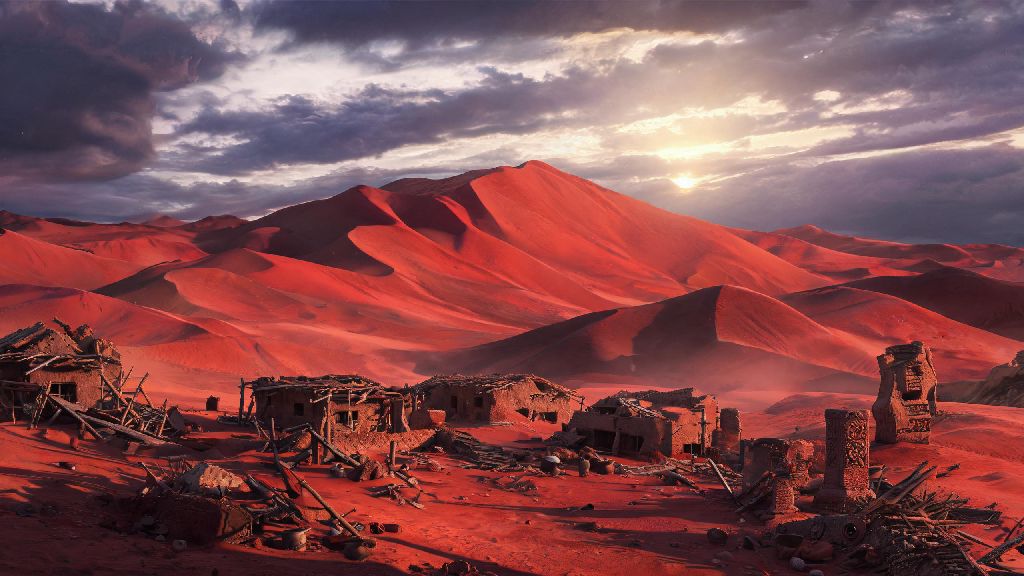
If you’ve spent any time diving into Pearl Abyss’s gritty open-world RPG, you’ve probably noticed the crimson desert plot is far from a simple good vs. evil story. It’s far more nuanced than the typical fantasy RPG narrative, and a lot of players walk away from their first playthrough with more questions than answers about the crimson desert plot. I’ve spent 70+ hours wandering its arid plains, sitting through optional cutscenes, and digging up hidden lore notes, so I’m breaking down everything you need to know to follow the story without missing key context.
Core Pillars of the Crimson Desert Plot You Need to Follow First
Most new players skip the opening 10-minute intro cutscene to jump right into combat, but that’s the single worst mistake you can make if you want to follow the story. The opening lays out the core conflict that drives every major plot point for the first 30 hours of main story play. The central conflict revolves around the displaced people of Kael, a fallen kingdom occupied by the aggressive Venicia Alliance, who are exploiting the region’s natural resources to fund their war across the rest of Pywel.
You don’t play as a single chosen one here, which is part of what makes the story feel so grounded. You switch between two playable leads with completely conflicting motivations at several key points in the campaign. Macduff is a former Kaelish mercenary leading a band of displaced refugees, while Helene is a high-ranking Venicia inquisitor tasked with crushing the remaining Kaelish resistance. It’s hard to pick who to root for at times, because both sides have valid, often tragic, reasons for their choices.
A lot of players get confused when the story jumps between character perspectives, but there’s a simple rule to follow: every seemingly random side mission you pick up in a village will tie back to either Macduff’s past or Helene’s ongoing investigation into corruption inside the Venicia ranks. Don’t skip side quests if you want the full context of the main story beats.
Hidden Story Branches That Change Core Plot Outcomes
Unlike a lot of open-world RPGs that advertise choice but give you the same ending no matter what, Crimson Desert’s small, seemingly unimportant choices actually shift how major plot points resolve. I missed the first two of these branches on my initial playthrough, and I only found them after going back to replay low-level side missions last month.
The three highest-impact hidden branches you need to look out for are:
None of these choices are marked as “important” when you make them, which is part of the fun. You don’t get a big pop-up warning you that you’re about to change the whole story, so you have to pay attention to the actual context of each interaction instead of just picking the first dialogue option that pops up.
It’s one of the things that makes the crimson desert plot feel so much more dynamic than other open-world RPG stories, where your choices barely make a difference. You don’t have to feel pressured to pick the “right” choice on your first playthrough. Some of the darker story paths have way more interesting character beats than the “good” ending, so go with whatever choice feels true to the character you’re playing as at the time.
Key Lore Details That Fill Gaps in the Main Narrative
If you only pay attention to cutscenes and main quest dialogue, you’ll miss at least 40% of the story context. Pearl Abyss hid most of the deeper world building in environmental details and scattered lore notes you find while exploring the open world. For example, the old Kaelish castle ruins on the northern edge of the desert have wall carvings that explain the real reason the Kaelish Empire fell 20 years before the game starts, and it’s not the Venicia invasion that official faction lore claims.
You’ll also find scattered letters from Helene’s dead sister, who was a Venicia soldier that defected to the Kaelish resistance after witnessing her unit massacre a village of innocent civilians. These letters explain why Helene is so critical of her own faction’s leadership, even as she’s tasked with hunting down resistance fighters. I didn’t find all of these letters until my second playthrough, and they completely changed how I saw her character arc.
Another easy to miss detail is the graffiti you’ll find on building walls in Venicia-controlled towns. A lot of it is just random messages, but some of it is coded communication from the Kaelish resistance that points you towards hidden side missions and lore stashes. It’s worth taking 10 minutes to wander through every new town you visit just to check for these small details.
These small, intentional details are what make the crimson desert plot feel so immersive, because the world doesn’t exist just to serve the main story beats. You don’t have to collect every lore note to follow the main story, but they make the world feel a lot more lived-in. You’ll realize that none of the faction leaders are purely good or evil, and a lot of the conflict is driven by misinformation and lies spread by people in power to hold onto control.
Common Plot Confusions (And How to Clear Them Up Fast)
Even if you pay attention to every cutscene and collect every lore note, there are a few plot points that almost every player gets confused about on their first playthrough. The most common one I see asked in community forums is why Macduff refuses to take leadership of the Kaelish resistance even when his allies beg him to. The answer is hidden in a short optional cutscene you unlock after completing his personal side mission about his dead son, who was killed when he abandoned his post to save a group of strangers during the Kaelish fall. He blames himself for the death of his family and his people, so he doesn’t trust himself to be the leader they need.
Another common confusion is the identity of the mysterious hooded figure that appears in cutscenes every few main story missions. A lot of players assume it’s a secret villain, but it’s actually the former queen of Kael, who’s been hiding in the desert building a network of spies to take back her kingdom. You only get the full reveal if you complete all 12 of the hidden resistance side missions scattered across the map, so if you never did those, that plot point will feel like it comes out of nowhere.
Some players also get frustrated that the story ends on a cliffhanger, but that’s intentional. Pearl Abyss has confirmed that the base game’s story is just the first act of a three-part narrative, with the next two acts coming as free DLC updates over the next three years. That means a lot of the loose ends you’re left with at the end of the base game will be tied up in future content, so you don’t have to worry that you missed something important.
If you’re the type of player who loves digging into deep, well-written fantasy stories, you’ll get hours of enjoyment out of unpacking every layer of the crimson desert plot. If you’re still confused about a specific plot point, the best thing to do is go back and replay any side missions you skipped in the region where that plot point happened. 9 times out of 10, the context you’re missing is hidden in a side quest you didn’t think was important when you first played through the area.
At the end of the day, the best part of the crimson desert plot is that it doesn’t hold your hand. You get out of it what you put into it, and you can have a completely different story experience than a friend who played the same game just because you made different small choices along the way. Take your time, don’t skip side content, and pay attention to the small details, and you’ll get a far richer narrative experience than you would from most linear RPGs on the market right now.